A Comprehensive Guide to Weight Loss
A Comprehensive Guide to Weight Loss
Pak Chronicle Web Desk
Weight loss is a popular and highly sought-after goal for many people, whether it be for health, fitness, or aesthetic reasons. While there is no one-size-fits-all solution to losing weight, there are several key principles that can help individuals achieve their weight loss goals.
Firstly, it’s important to understand that weight loss is not just about reducing calorie intake or increasing exercise. It’s a complex process that involves various factors such as genetics, metabolism, hormones, and lifestyle habits. Therefore, a holistic approach that addresses these factors is essential for long-term weight loss success.
One of the most fundamental principles of weight loss is creating a calorie deficit. This means consuming fewer calories than your body burns on a daily basis. To achieve this, you can either reduce your calorie intake, increase your physical activity, or do a combination of both. However, it’s important to do so in a gradual and sustainable manner, as rapid weight loss can lead to muscle loss, nutritional deficiencies, and other health problems.
Another key principle of weight loss is choosing the right types of foods. A balanced and nutritious diet that includes plenty of whole foods such as fruits, vegetables, whole grains, lean proteins, and healthy fats can help support weight loss and overall health. Additionally, avoiding highly processed and sugary foods that are high in calories and low in nutrients can also be beneficial.
In addition to diet and exercise, other lifestyle habits can also impact weight loss. For example, getting enough sleep, managing stress levels, and staying hydrated can all play a role in regulating hormones and metabolism, which can affect weight loss.
Weight loss diet plan
A weight loss diet plan should be designed to help you lose weight in a healthy and sustainable way. Here’s a general guideline for a healthy weight loss diet plan:
Calculate your daily calorie needs: Use an online calculator to estimate your daily calorie needs based on your age, gender, weight, height, and activity level.
Create a calorie deficit: To lose weight, you need to create a calorie deficit, which means you need to burn more calories than you consume. Aim for a deficit of 500-1000 calories per day, which can lead to a weight loss of 1-2 pounds per week.
Eat a balanced diet: Focus on eating a diet that is high in protein, fiber, and healthy fats, and low in refined carbohydrates and sugar. Include plenty of fruits, vegetables, whole grains, lean protein, and healthy fats like olive oil, nuts, and avocado.
Control portion sizes: Use measuring cups or a food scale to control portion sizes and make sure you’re not overeating.
Drink plenty of water: Drink at least 8-10 glasses of water per day to stay hydrated and keep your metabolism functioning optimally.
Limit processed foods and sugary drinks: Avoid processed foods, sugary drinks, and foods high in saturated and trans fats, which can contribute to weight gain and poor health.
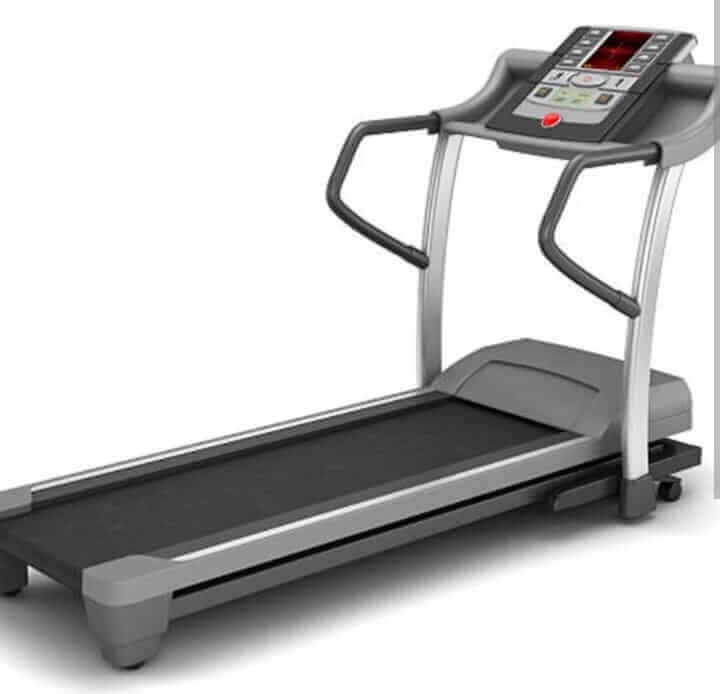
Exercise regularly: Incorporate regular exercise into your weight loss plan, including both cardiovascular exercise and strength training.
Remember, weight loss is a journey that requires patience, consistency, and a long-term commitment to a healthy lifestyle. Consult with a healthcare professional before starting any weight loss program to ensure it’s safe and appropriate for you.
Weight loss surgery
Weight loss surgery, also known as bariatric surgery, is a surgical procedure that is designed to help people who are severely overweight or obese lose weight by restricting the amount of food that they can eat or by altering their digestive system. The surgery is typically reserved for people who have a body mass index (BMI) of 40 or higher, or a BMI of 35 or higher with obesity-related health problems such as diabetes, high blood pressure, or sleep apnea.
There are several different types of weight loss surgery, including:
Gastric bypass surgery: This procedure involves creating a small stomach pouch and rerouting the small intestine to that pouch, which restricts the amount of food that can be eaten and reduces the amount of calories absorbed.
Sleeve gastrectomy: This procedure involves removing a large portion of the stomach, leaving a smaller “sleeve” of the stomach, which reduces the amount of food that can be eaten and also reduces the production of the hormone ghrelin, which stimulates hunger.
Adjustable gastric banding: This involves placing a silicone band around the upper part of the stomach to create a smaller stomach pouch, which restricts the amount of food that can be eaten.
Weight loss surgery is not a quick fix and requires a significant commitment to lifestyle changes, including a healthy diet and regular exercise. It can have significant health benefits for those who are severely obese and have struggled to lose weight through traditional methods. However, it also comes with potential risks and complications, so it is important to carefully consider the risks and benefits with a qualified healthcare provider.