- Trump Offers Conditional Pause on Iran Attack
Trump Offers Conditional Pause on Iran Attack PAK CHRONCILE REPORT A statement posted by Donald Trump on Truth Social has outlined a proposed temporary halt in U.S. military action against Iran, citing diplomatic engagement and ongoing peace negotiations. In the post, Trump said: “Based on conversations with Prime Minister Shehbaz Sharif and Field Marshal Asim
- Islamabad Police Recover German tourist’s Stolen Bike, Arrest Two Suspects
Islamabad Police Recover German tourist’s Stolen Bike, Arrest Two Suspects ISLAMABAD PAK CHRONICLE REPORT The Investigation Wing of Islamabad Capital Police has finally recovered the stolen bicycle of German Citizen, Philipp Sam from Orchard Scheme, Islamabad. According to sources in the police besides recovering bicycle of the German citizen, the police have also arrested two
- Mary Viral Video That Overshadowed Everything Else
Mary Viral Video That Overshadowed Everything Else Nothing matters what is happening outside the world for Pakistani netizens, as they have their own search priorities, and one of them is the Mary viral video.Some days ago, a video containing sexual graphics went viral, which also had ultra-vulgar conversation in Punjabi.Later on, this video attracted millions
- BISP SMS Scam victims await justice
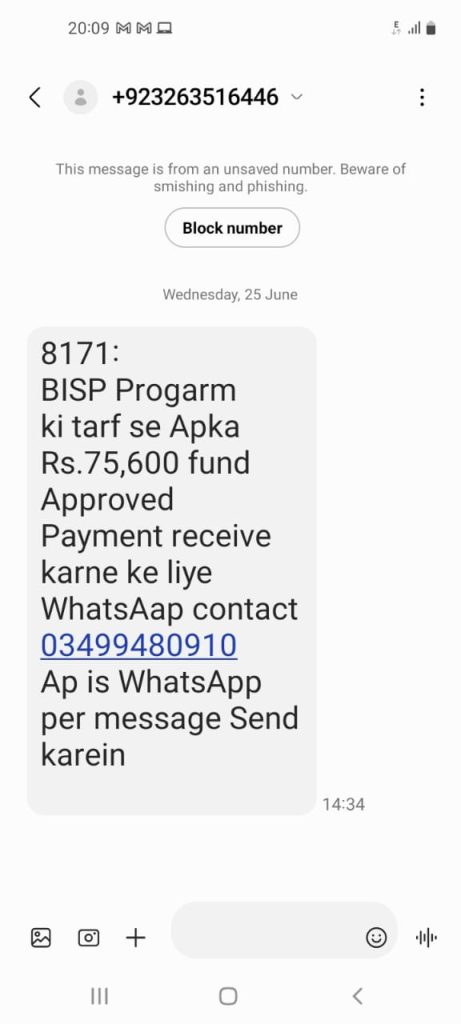
BISP SMS Scam victims await justice By Qadeer Hussain ISLAMABAD SMS scams are on the rise across Pakistan. Fraudsters exploit gaps in digital security and public awareness and have successfully robbed countless innocent citizens of their savings in the recent past. Scammers generally play around one’s financial needs, and only after being trapped, victims realized
- Marginalized Bhatus Tribe in Rawalpindi Struggling for Basic Necessities
Marginalized Bhatus Tribe in Rawalpindi Struggling for Basic Necessities By Qadeer Tanoli Islamabad The people belonging to Bhatu clan, continue to live a marginalized life in Rawalpindi while residing in makeshift tents or ‘jhuggis’ without having access to basic necessities of life. A significant number of people from the Bhatu tribe which is also known
- PTV SUSPENDS JOURNALIST RIZWAN RAZI OVER DEROGATORY REMARKS
Senior Journalist Rizwan Razi Suspended from PTV Over Derogatory Remarks Islamabad – Senior journalist Rizwan Razi, widely known as Razi Dada, has been suspended from PTV after making derogatory remarks against a particular ethnic group in one of his vlogs. According to reports, Razi used highly offensive language in his vlog “Razi Nama,” sparking widespread
- AI Advancements: AI Tools Chat GPT, Google Gemini, and Other AI Tools Shaping Industries
Introduction AI Tools are revolutionizing industries worldwide. Tools like Chat GPT, Google Gemini, and other AI platforms are transforming businesses, streamlining workflows, and enhancing customer experiences. This article explores the latest AI Tools advancements, their impact on various industries, and how they are shaping the future of technology. The Rise of AI Tools in Modern
- Mehar Bano: A Controversial Icon and the Impact of Her Bold Activities on Youth
Introduction Mehar Bano is a well-known Pakistani actress, model, and social media influencer. She gained fame for her stellar performances in dramas and films. However, her bold activities and outspoken nature have sparked controversies. While some admire her confidence, others criticize her influence on youth. In this article, we will explore Mehar Bano’s career, her
- Kashmir Day Public Holiday: Significance, History, and Observance
What is Kashmir Day? Kashmir Day, also known as Kashmir Solidarity Day, is a public holiday observed annually on February 5th in Pakistan and Azad Jammu & Kashmir (AJK). It serves as a reminder of the struggles of Kashmiris and their right to self-determination under United Nations resolutions. History and Background Kashmir Day was first
- India vs England: A Historic Cricket Rivalry
Introduction Cricket is more than just a sport in India and England; it is a passion that unites millions. The India vs England rivalry is one of the most anticipated contests in international cricket. With a history spanning over a century, these two teams have produced some of the most thrilling matches in the sport’s
- Shaban Moon Sighted: Significance, Traditions, and Observances
Introduction The Shaban moon sighted marks the beginning of one of the most significant months in the Islamic calendar. As the eighth month, Shaban month serves as a preparatory period before Ramadan. Muslims worldwide eagerly anticipate the sighting of the crescent moon to determine the official start of this sacred month. Importance of Shaban in
- Historical Liaquat Bagh’s area getting further smaller
Historical Liaquat Bagh’s area getting further smaller Two kenals land of Liaquat Bagh outsourced to a private entrepreneur for commercial purposes Pak Chronicle Report Liaquat Bagh, the iconic park of Rawalpindi which is a witness to the killings of two former premiers of Pakistan besides holding numerous other historical events into its fold is currently
- Dr Jamil Jalibi Literary Awards given to selected scholars
Dr Jamil Jalibi Literary Awards given to selected scholars Reported by Pak Chronicle Professor Dr Muhammad Kamran, Dean of the Faculty of Oriental Learning at Punjab University Lahore, paid glowing tributes to Dr Jamil Jalibi, while describing him a symbol of Pakistan’s rich literary and cultural heritage. Professor Dr Kamran, who presided over the second
- Steps towards sustainability needed to avoid resource depletion
Steps towards sustainability needed to avoid resource depletion Author: Muhammad Ibrahim Khizar Using natural resources too much and too fast that they unable to renew themselves, has become one of the most serious environmental and economic challenges of this era. When we exhaust necessary resources like fossil fuels, minerals, forests, and fresh water, we not
- From Dependency to Independence: Strategies for Pakistan’s Economic Growth
From Dependency to Independence: Strategies for Pakistan’s Economic Growth By: Aniqa Chauhan The economy of Pakistan has serious difficulties resulting from its degree of dependence on import goods, particularly the basic needs such as food, fuel, machinery, and technology. This relationship creates exposure to global market within which adverse prices shifts occur, creating a trade
- Influencer Marketing in Pakistan: Rates, Trends, and Opportunities
Introduction Influencer marketing in Pakistan has seen a meteoric rise in recent years, becoming one of the most effective ways for brands to reach their target audience. With the growing popularity of social media platforms such as Instagram, TikTok, and YouTube, influencers have become key players in the digital advertising landscape. The rates for influencer
- Trending Indian TikTokers: The Faces Redefining Social Media Entertainment
Introduction In the dynamic world of social media, Trending Indian TikTokers have become a phenomenon, captivating millions with their creativity, talent, and relatable content. Despite the platform’s ban in India, these influencers continue to make waves globally, leveraging alternative platforms to maintain their stardom. They are shaping trends, setting benchmarks, and redefining the boundaries of
- Trending Pakistani TikTokers: Rising Stars Shaping Social Media
Introduction Pakistani TikTokers are making waves across the digital world, capturing the hearts of millions with their creativity, humor, and authenticity. From lip-syncing videos to impactful social commentary, these influencers are redefining entertainment in Pakistan. With TikTok’s ever-growing popularity in the country, it’s no wonder that trending Pakistani TikTokers have become household names. Let’s explore
- How to Become a TikTok Influencer in Pakistan
In recent years, TikTok has emerged as one of the most popular social media platforms globally, with a rapidly growing audience in Pakistan. Becoming a TikTok influencer in Pakistan is not only an exciting journey but also a potential career path. By following a strategic approach, you can establish your presence, grow your audience, and
- Imsha Rehman Leak Video: Exploring the Controversy and its Impact
Introduction In the digital age, privacy violations and viral scandals often dominate conversations across social media platforms. One recent controversy involves the Imsha Rehman leak video, which has sparked widespread attention and debate. This article delves into the origins of the controversy, its implications, and broader lessons on digital ethics and privacy. The Controversy Unfolded
- Swedes make smoke free history, IRADA urges Pakistan to follow Sweden’s lead in achieving smoke-free status
Swedes make smoke-free history, IRADA urges Pakistan to follow Sweden’s lead in achieving smoke-free status Pioneering Call: IRADA Urges Pakistan to Follow Sweden’s Lead in Achieving Smoke-Free Status Pak Chronicle Report Islamabad, 15 November 2024 – IRADA Pakistan (The Initiative on Risk-Reduction and Dependable Alternatives) has urged Pakistan to take inspiration from Sweden, which has
- Recalled Cheese at Aldi: What You Need to Know About Recent Product Alerts
Introduction In recent months, concerns around food safety have once again come to the forefront, with the recall of cheese products from popular grocery chains. One such instance has caught the attention of shoppers: the recalled cheese at Aldi. With many relying on Aldi for affordable groceries, understanding the recall details, the specific cheese products
- Gold Rates in Pakistan: Trends, Influences, and Future Outlook
Gold has been a treasured asset in Pakistan for centuries, serving as a means of investment, a cultural emblem, and a sign of wealth. The fluctuating rates of gold in Pakistan impact not only investors but also the common people who save and invest in gold jewelry. Understanding the factors that drive these rates and
- USD to PKR: Understanding the Dynamics of Pakistan’s Currency Exchange Rate
Introduction The USD to PKR (US Dollar to Pakistani Rupee) exchange rate plays a crucial role in Pakistan’s economy, affecting everything from import costs to inflation rates. This rate is influenced by a range of global and local factors that fluctuate constantly, reflecting the complex dynamics of international trade, political stability, and economic policy. In
- Remittance in Pakistan: Economic Impact, Challenges, and Future Prospects
Introduction Remittance plays a vital role in the economic framework of Pakistan. It represents the funds transferred by Pakistani expatriates back home, contributing significantly to the country’s economy. In recent years, remittances in Pakistan have been a lifeline, providing crucial support to the economy and assisting countless households. This article explores the importance of remittances,
- Time Farm YouTube Codes: A Guide to Boosting Your Gaming Rewards
If you’re a fan of Time Farm and enjoy uncovering hidden rewards to enhance your gameplay, you’re in the right place! Time Farm YouTube codes are a great way to earn in-game rewards, providing a variety of items and perks to make your gaming experience even more enjoyable. This guide will explain what Time Farm
- ICC Champions Trophy 2025: A Return of Cricket’s Prestigious Tournament
The ICC Champions Trophy 2025 is set to bring excitement to cricket fans worldwide, marking the return of one of cricket’s most awaited tournaments. As teams prepare to battle it out for glory, the tournament promises thrilling matches, intense rivalries, and unforgettable moments. Let’s dive into the details of the upcoming competition, including its significance,
- A Legendary Gaming Series That Defined the Genre
Introduction The “Diablo” series is one of the most iconic and influential franchises in the gaming world. With a history spanning decades, this dark and gritty action role-playing game (ARPG) has set standards for dungeon crawlers and hack-and-slash games alike. Developed by Blizzard Entertainment, the Diablo series has captivated millions of players with its immersive
- Understanding Mycoplasma Pneumoniae: Symptoms, Diagnosis, and Treatment
Introduction Mycoplasma pneumoniae is a unique bacterium that causes respiratory infections, particularly a mild form of pneumonia commonly known as “walking pneumonia.” This bacterium is distinct in that it lacks a cell wall, which gives it resilience against certain antibiotics and makes it an interesting yet challenging subject in infectious disease research. With symptoms often
- The Dodgers Parade: A Celebration of Triumph and Team Spirit
Introduction The Dodgers parade is a time-honored tradition where the city of Los Angeles unites to celebrate the triumphs of its iconic baseball team, the Los Angeles Dodgers. This grand event brings together fans, players, and the community to commemorate another successful season. The parade not only highlights the team’s achievements but also fosters a
- Rodri: The Rise of a Midfield Maestro
In recent years, Rodri has emerged as one of the most influential midfielders in world football, combining defensive skill with an ability to control the game’s tempo. His journey from the Spanish leagues to becoming a centerpiece for Manchester City and the Spanish national team reflects his hard work, strategic mind, and natural talent. Winning